

According to SleepFoundation.org, the term sleep deprivation refers to getting less than the needed amount of sleep, which, for adults, ranges from seven to nine hours of sleep per night. Children and teens need even more nightly sleep than adults.

It’s indeed funny to think that during our younger days, we always cry whenever our parents told us to sleep, ‘cause then, we hate it right? But now as we gear up to adulthood, sleeping is the most rewarding part of our days—we sneak out most of the time to get it when there’s a chance.
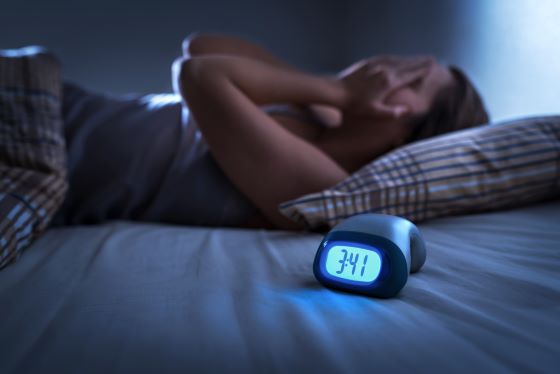
Sleep deprivation can cause a number of health problems, from weight gain to a weakened immune system. It drains your mental abilities and puts your physical health at real risk, according to a write-up published by Healthline.
Without enough sleep, your brain and body systems won’t function normally. It can also dramatically lower your quality of life; so now, what to do to get a good night's sleep?
Here are some healthy sleep tips from SleepFoundation.org medically reviewed by Dr. Abhinav Singh, a board-certified practitioner in ‘Sleep Medicine’ and ‘Internal Medicine’ and the Medical Director of the Indiana Sleep Center, which is accredited by the American Academy of Sleep Medicine.
CREATING A SLEEP-INDUCING BEDROOM
One of the most essential and helpful tips to help fall asleep quickly and easily is to make your bedroom a place of comfort and relaxation. In designing your sleep environment you need to focus on maximizing comfort and minimizing distractions, according to sleepfoundation.org.
To achieve a peaceful sleeping room you all should follow these simple tips:
- Use a high-performance mattress and pillow for your spine to get proper support to avoid aches and pains.
- Choose quality bedding that feels always inviting.
- Avoid Light Disruption that can easily throw off your sleep.
- Cultivate Peace and Quiet as a vital part of building a sleep-positive bedroom.
- Find an Agreeable Temperature; most research supports sleeping in a cooler room that is around 65 degrees.
- Introduce Pleasant Aromas that can provide a soothing and fresh smell for your bedroom.
OPTIMIZING YOUR SLEEP SCHEDULE
To get better sleep, taking control of your daily sleep schedule is a powerful step. So you should try these four strategies to have a good night's sleep.
- Set a fixed wake-up time and stick with it, even on weekends or other days when you would otherwise be tempted to sleep in.
- Budget time for sleep and build that time into your schedule.
- Be Careful with Naps that can throw off your sleep schedule and make it harder to get to sleep when you want to.
- Adjust your schedule gradually to allow your body to get used to the changes so that following your new schedule is more sustainable.
CRAFTING A PRE-BED TIME ROUTINE
Poor pre-bed habits are a major contributor to insomnia and other sleep problems. Try to create a consistent routine that you follow each night because this helps reinforce healthy habits and signals to mind and body that bedtime is approaching.
- Wind down for at least 30 minutes to get into the right frame of mind for sleep.
- Lower the lights to help you transition to bedtime and contribute to your body’s production of melatonin, a hormone that promotes sleep.
- Disconnect from devices that can keep your brain wired, making it hard to truly wind down.
FOSTERING PRO-SLEEP HABITS DURING THE DAY
There are a lot of steps that you can take during the day that can pave the way for better sleep at night.
- See the light of day and get a dose of it early so that it can help normalize your circadian rhythm.
- Find time to move in terms of engaging in the daily exercise which can promote solid sleep.
- Monitor your caffeine intake which can cause long-term sleep deprivation. Keep an eye on your caffeine intake and avoid it later in the day when it can be a barrier to falling asleep.
- Be mindful of alcohol which affects the brain in ways that can lower sleep quality in the lead-up to bedtime.
- Don’t eat too late because it can be harder to fall asleep if your body is still digesting a big dinner.
- Don’t smoke to avoid difficulty in falling asleep and fragmented sleep as associated with its many effects.
- Reserve your bed for sleep and sex only, and avoid being tempted to hang out there while doing all kinds of activities.
In this time of the pandemic, a good night sleep is so hard to perfectly get while a lot of things are running in mind and everything seems falling apart.
Always remember, we’ll all get through this, hang in there buddy, just follow these sleep tips, and close your eyes and go to dreamland where never-ending happiness can be found.
Related Reads
What's New
More Articles


