

Today marks the 74th day since we all ordered to stay at home. Unfortunately, everything around us became uncertain. All our visions for the future have suddenly gone blurry.
The number of positive cases continuously spiking up each day, no curve has been flattened yet, and the plan for mass testing is still far from reality.
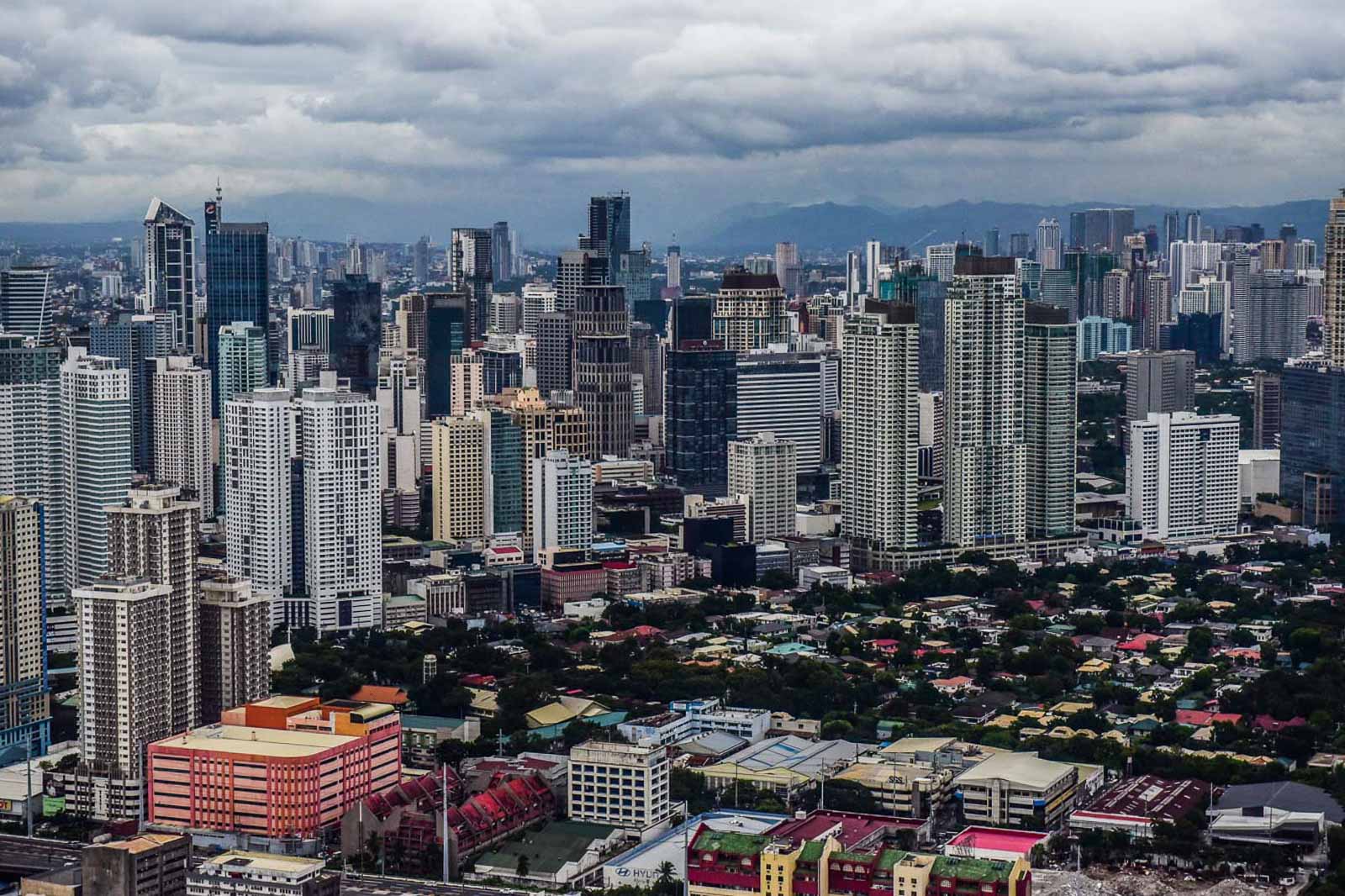
Metro Manila, the country’s epicenter of COVID-19 pandemic, is set for a possible transition under general community quarantine (GCQ) as the majority of the mayors have unanimously voted for it on Tuesday, May 26, 2020.
The support of raising the possibility of shifting the National Capital Region in a more relaxed quarantine level has formally recommended by the Inter-Agency Task Force (IATF) for the Management of Emerging Infectious Diseases from June 1 to 15, 2020.
Officials have come up with the plan of easing the restrictions all for the sake of the nation’s economy as it’s facing the severe effects of the pandemic.
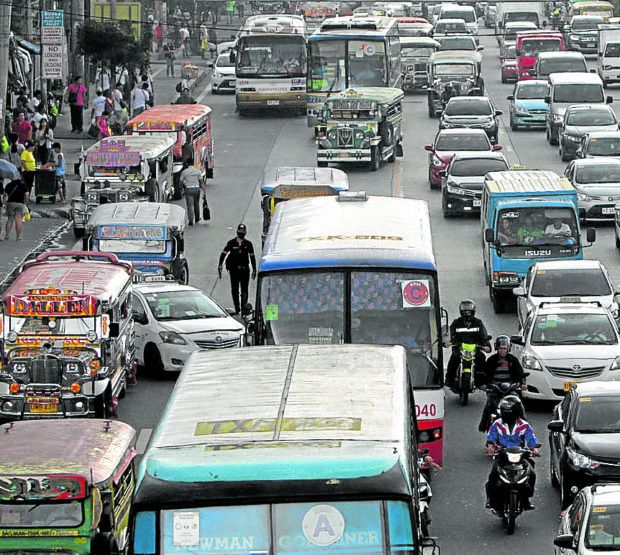
If the transition plan will get its go signal for next week, many are going to force in embarking their ‘new normal’ life and if you’re one them, here’s what you should expect:
PUBLIC TRANSPORTATION
The GCQ scenario of public transportation in Metro Manila will have its new system—far from the pre-pandemic way.
There will be no more standing in buses, climbing onto the back of jeepneys, or sitting in packed UV Express shuttles. These modes of transportation will only load half of their original capacity with passengers seated at least one seat apart from each other.
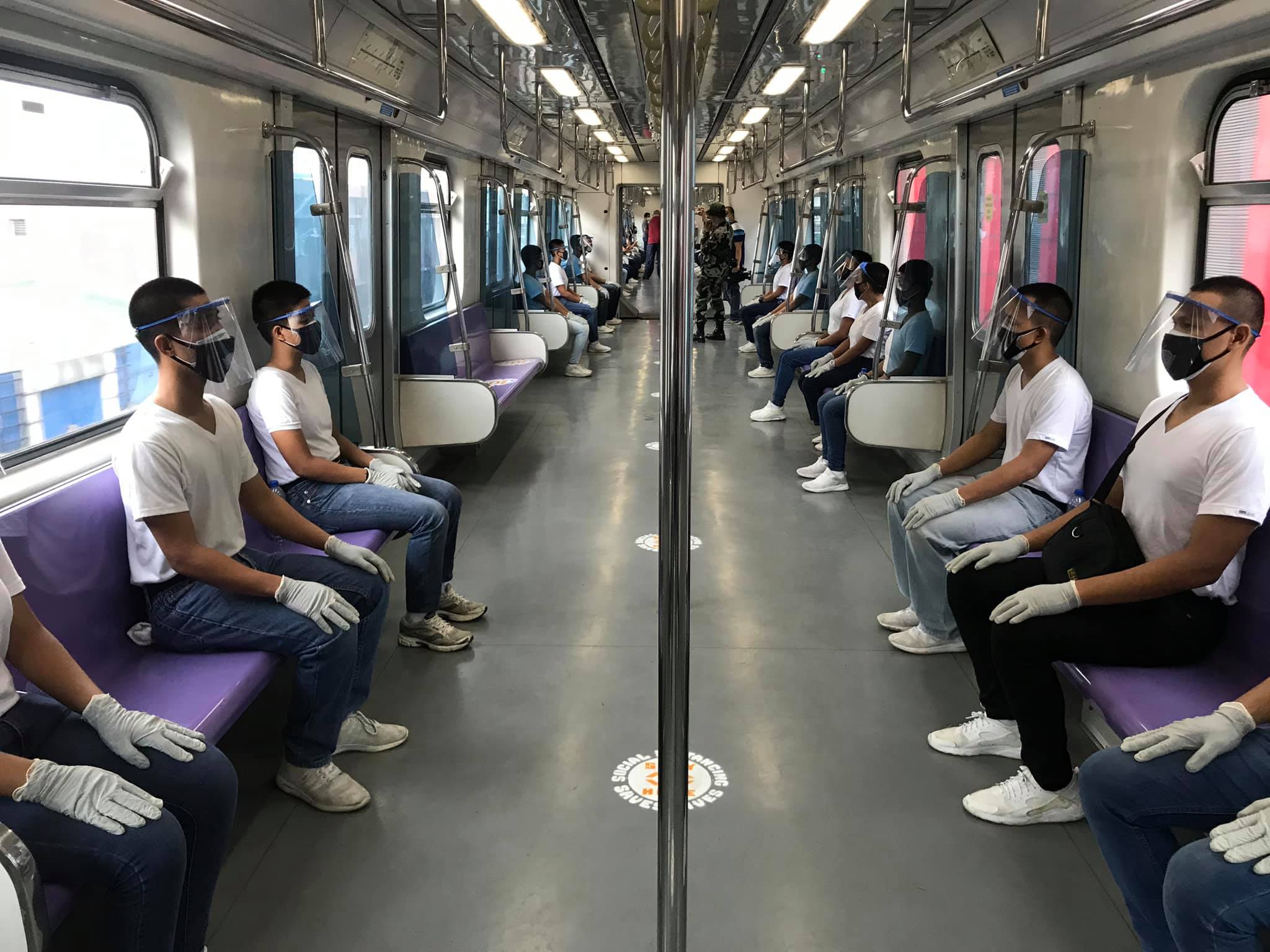
The crowded Metro Rail Transit (MRT) Line 3 will never have its usual daily scenario, only 153 passengers will be allowed per trip. Light Rail Transit (LRT) Lines 1 and 2 will only allow 160 passengers and the Philippine National Railways (PNR) will serve to 500 people.
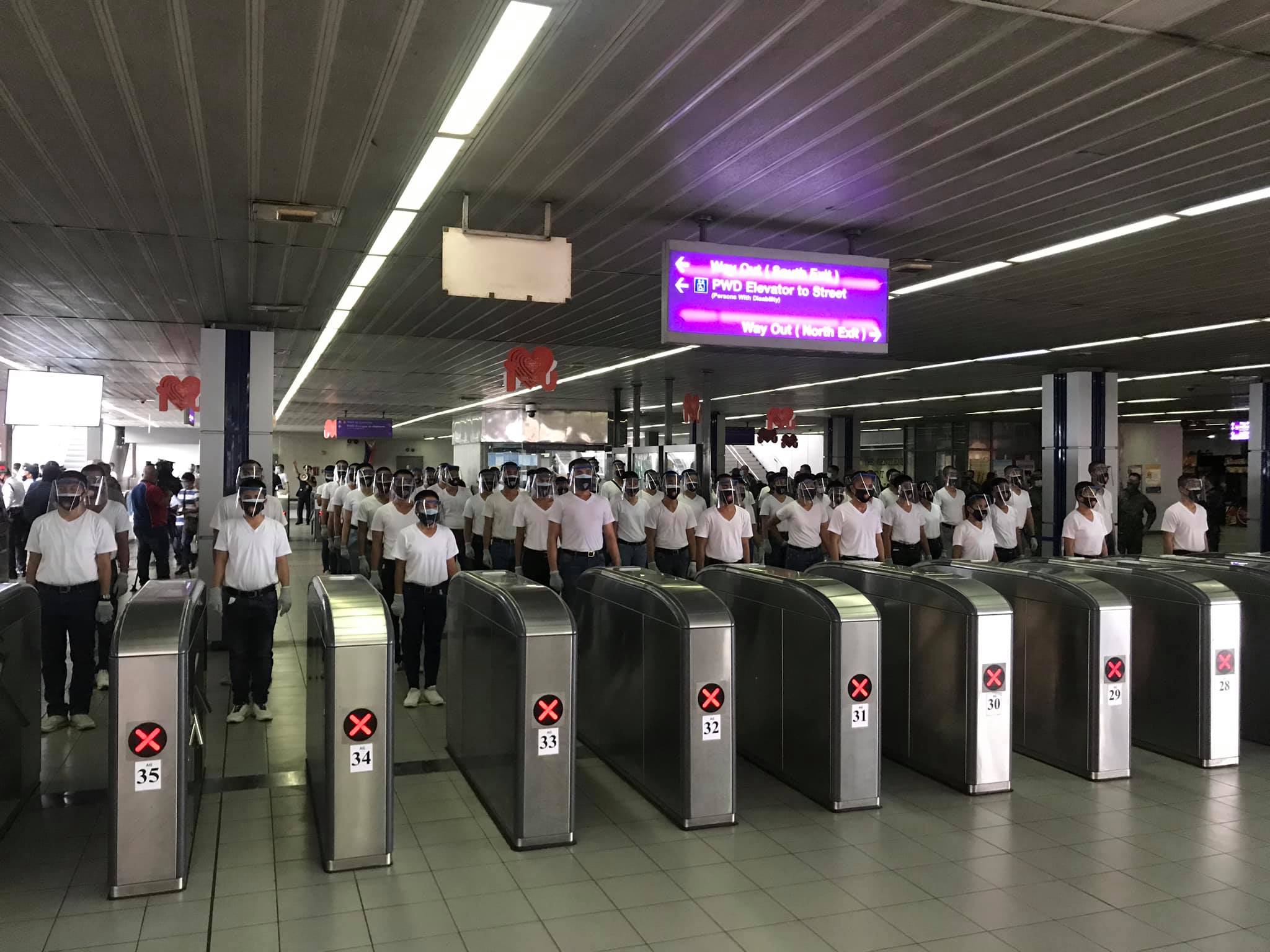
With reduced capacity on public transportation, a rise in walking, biking, and other forms of alternative transportation are expected.
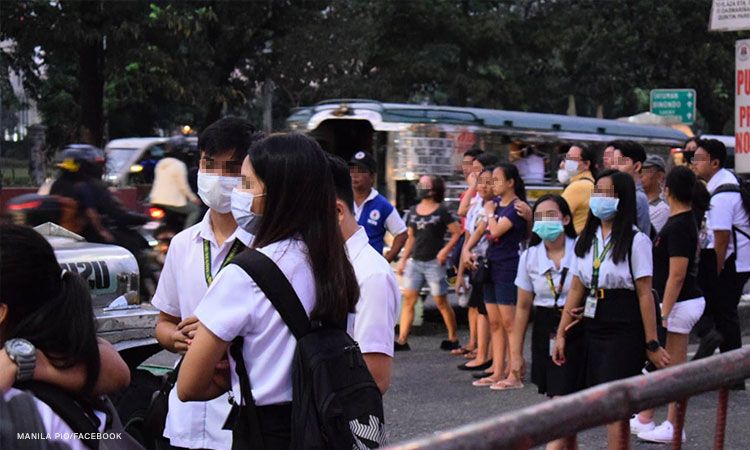
This would also be a source of virus transmission as commuters may be waiting along the streets—truly a worst-case scenario.
BUSINESS AND OFFICES
There will be a limited movement under GCQ. Work in government offices may be at full operational capacity and almost all industries will be allowed to operate up to 75 percent except amusement and those with mass gatherings.
All Malls and shopping centers may open except for leisure and establishments.
As the country’s economy faces the ‘devastating effect’ of COVID-19 pandemic, authorities see this move as a way to cope with the sudden loss and most especially to keep the equilibrium in place.
PROTOCOLS ACROSS COMMUNITY QUARANTINE LEVELS
According to the National Action Plan, the following safety protocols will be implemented at every level of the community quarantine:
- “No face mask, no entry”
- Frequent sanitation and hand-washing
- Physical distancing
- Stricter protocols for higher-risk occupations, industries, and spaces
President Duterte will announce the fate of Metro Manila for a possible GCQ before the weekend.
Once it is implemented, change in the movement within Metro Manila is inevitable which could add up to the fear of the many—the quick spread of the virus.
Are you all in favor of this plan of the government? Share us your thoughts!
Related Reads
What's New
More Articles


