

‘1-2-3 (Gasping For Air)’ is a dark and real view of the country’s current situation about the ugly truth of sex trafficking that did not settle for mediocrity and cliché.
Filipino indie films have been known to reflect, tackle, and give epiphany to the viewers about the reality of the current situation in the country which focus on different facets of social issues.
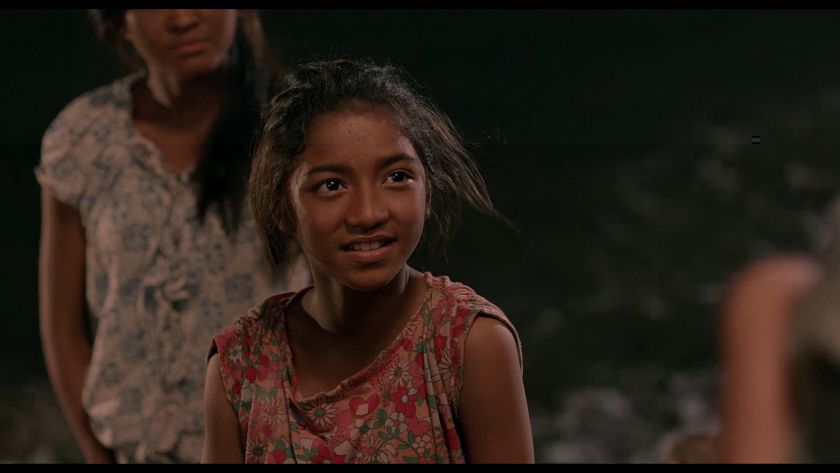
SYNOPSIS: Lulu (Barbara Miguel) lives a simple yet struggling life due to lack of financial support in an isolated island in the Philippines, together with her brother Luis (Carlos Dala) and her family. After joining a singing contest, Lulu is approached by a woman who introduces herself as a talent manager based in Manila and promises Lulu an instant fame as a singer. With the hope and desperation of seeking a brighter future for her family, Lulu decides to come with the woman. Lulu does not give an update after she leaves. Making Luis worried as that is unlike her sister, Luis then follows Lulu in Manila alone to find her—only to see the awful reality of his sister’s whereabouts.
In ‘1-2-3 (Gasping For Air)’, director and writer Carlo Obispo utterly brought the film into the best experience for the viewers to see. The decision of showing the beauty of the underwater, the simplicity of living in an isolated island and how slow-paced their living is in the first part, really worked to develop and highlight the conflict of the story. The film really emphasized and gave justification of the main character’s forthcoming conflict. Most of the people living in the rural areas think that Manila will be the solution to their problem. And with Lulu’s story, Manila brought her to her nightmare—and poverty she has experienced in the island was just the tip of an iceberg. Albeit, as someone who has been living in poverty and too desperate to escape from its gruesome experience, Lulu falls in a trap as she was left with no choice but to continue its malfeasance. Hence, using a naive innocent girl living In the province as a visual representation for sexual trafficking is a good decision.

Cinematography wise, the director used a handheld shots in every emotional scenes which worked well while the characters are expressing their emotions in each climatic sequences. The handheld approach made the viewers feel the characters unstable feelings as of the moment. In terms of color grading, the light color during the part when they are in the island and the dark colors when the film brought us to the bustling city of Manila emphasized the difference of the life from each places.
As the story gradually darkened towards the end, I was immersed on how one can simply pollute an innocent and naïve mind that makes someone’s innocence and dream be gone—being able to see the ugly side of reality at the very young age when you are just starting to build your dreams is indeed tremendously awful and sad. The life of Lulu and Luis brought a real heartbreak from a film that speaks the dreadful situation of poverty in the country.
Related Reads
What's New
More Articles


