
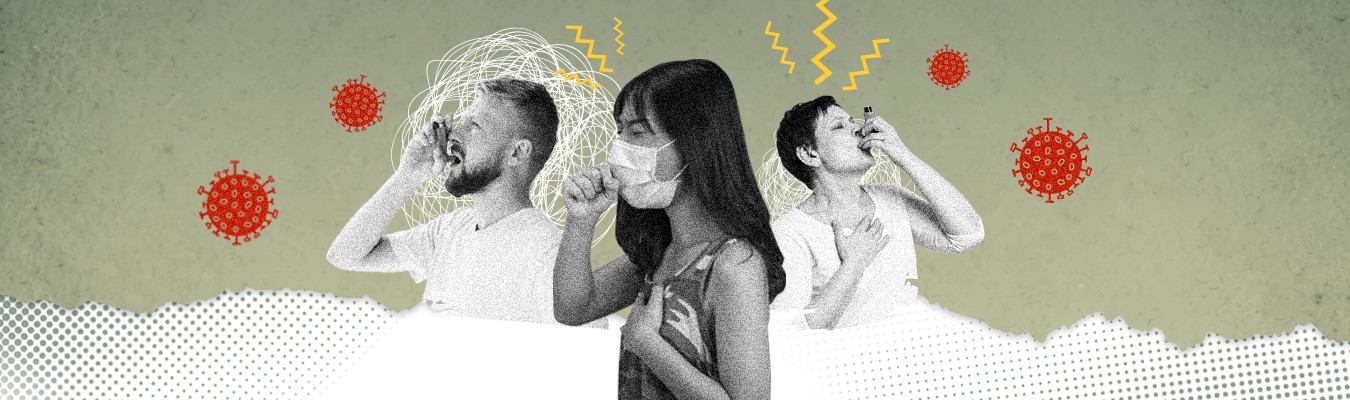
With the developing risks and effects of COVID-19, there are a lot of things to further study and learn about this deadly virus. One source of confusion for patients who have respiratory illnesses particularly those with asthma if they have a greater risk of getting infected. It has been on the talk but no concrete pieces of evidence could tell if it’s true or not.
In an article written by Healthline, Dr. Sylvia Owusu-Ansah, pediatric emergency medicine and emergency medicine physician at UPMC Children’s Hospital of Pittsburgh, said that the number one cause of asthma attacks are viral illnesses, so it makes sense that COVID-19, which is a viral illness that causes respiratory disease, could be worse for people who have asthma;

In an interview over GMA-7’s “Unang Hirit” Dr. Maricar Limpin, a pulmonologist, when asked whether those with asthma having a greater chance of being infected with COVID-19 said: “Well kasi syempre meron ka ng inherent na respiratory disease so theoretically talagang mas mataas na ang risk mo magkaroon ka ng COVID.”
“Pero tandaan pa rin natin na yung COVID ay communicable disease. Yung nakakahawang sakit, therefore ang talagang predisposing talaga diyan ay yung exposure mo sa mga taong may COVID or mga taong may sintomas na pero lumalapit pa rin,” she explained.
Based on the recent studies and findings, experts did not claim nor confirmed that asthma patients are vulnerable to the virus as they are still currently studying its development.
There’s no clear evidence that people with asthma are at higher risk of contracting COVID-19, according to the American College of Allergy, Asthma, and Immunology (ACAAI) in an article written by Healthline.
In an article written by Self.com, one of the studies they have discovered as published in an online site called Allergy, researchers looked at 140 patients infected with the novel coronavirus in Wuhan, China. They identified several underlying illnesses in many of the patients, including eosinopenia and lymphopenia (types of low white blood cell count). But asthma wasn’t one of those conditions.
.jfif)
Whether the speculation of getting infected with the virus for people with asthma is at high risk or not, one thing is for sure—COVID-19 can pose a threat to everyone.
The best way to reduce the risk of developing severe illness from COVID-19 is by controlling the condition and maintaining consistent infection prevention habits.
For asthma patients, here’s how to take care of yourselves:
Maintain your medications
Be sure to have an ample supply of asthma medication on hand, including both maintenance and rescue inhalers.
Manage your stress
People with asthma may be particularly stressed knowing that their risk of COVID-19 complications is elevated. Find some other things to do to divert your attention instead of stressing yourself from this type of thinking.
Keep the immune system strong
To fight any type of infection, especially COVID-19, one should keep a healthy immune system by adopting these healthy habits:
- 7-8 hours of sleep per night
- Eat a diet rich in fruits and vegetables
- Exercise regularly
- Maintain a healthy weight
Safety precautions at home
Avoid common asthma triggers at homes
such as smoke, pets, dust, mites, air pollution, weather extremes, exercise, acid reflux, stress, strong fragrances, and alcohol or food additives.
In these uncertain times, the best way to reduce the risk of getting infected with the virus is to follow all the safety measures and precautions. It’s better to be safe than sorry.
KEEP SAFE ALWAYS!
Related Reads
What's New
More Articles


