
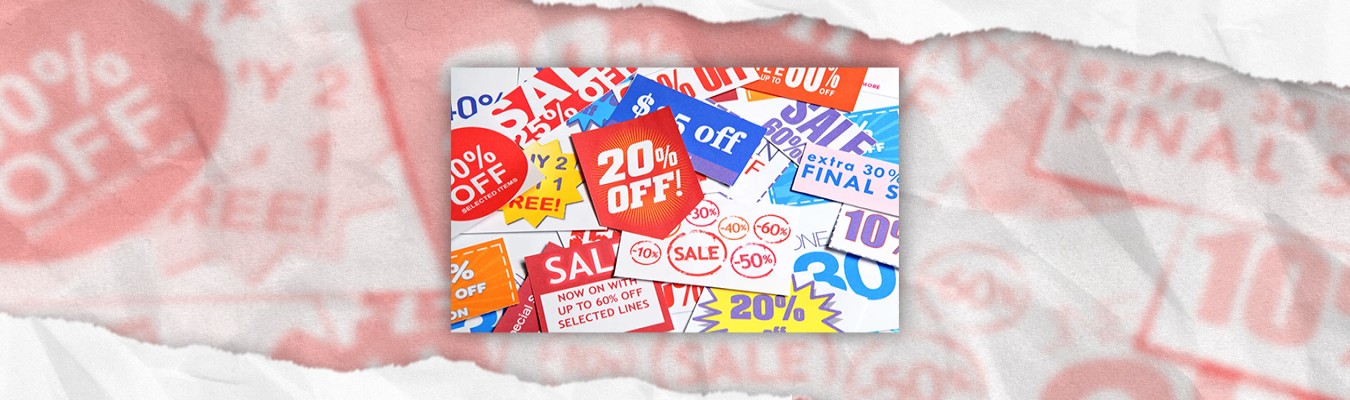
A discount can make a purchase feel like a chance to save money. But when the lower price becomes the main reason for buying something, consumers may end up spending on items they did not originally plan to get.
Research on consumer behavior shows that marketing strategies, including price discounts, can influence impulse buying. A meta-analysis of 231 samples involving more than 75,000 consumers found that marketing stimuli were among the factors associated with impulse buying. Other factors included personal traits, motives, available resources, and self-control.
How a promotion is presented can also affect how consumers respond to it.
A “50% off” label or a limited-time deal can attract attention and make an offer more appealing. Studies on sales promotions have found that certain discounts and time-limited offers can encourage impulse buying. However, discounts do not automatically result in unplanned purchases. Their effect can vary depending on the consumer, the product, and the situation.
Another factor is the feeling of getting more for less. When consumers see a discounted item, they may focus on the amount they can save instead of asking whether they actually need it. Research has also found that surprise discounts can encourage additional purchases, particularly when consumers are already shopping.
Discounts can be helpful when you use them for things you already planned or needed to buy. The problem starts when the discount itself becomes the reason to buy something that was not included in the budget or shopping list.
Before buying an item on sale, consumers can ask themselves, “Would I still buy this if it were not on sale?” Checking the original price, comparing other options, and considering whether the item is actually needed can also help prevent unnecessary spending.
A discount may lower the price of a product, but it does not always mean that the purchase saves money or that the item is actually a necessity.
Related Reads
What's New
More Articles


