

Albeit people have different values and beliefs — religion or spiritual preference still plays a significant role in every Filipinos’ lives. This is why the Philippines remains to be the “bastion of Christianity” in Asia and is the fifth largest Catholic country in the world.
Lenten Season, Holy Week, or commonly known to as “Semana Santa” —which is a week of solemn reflection on the passion, death, and resurrection of Jesus Christ — is being vastly observed in the Philippines every year. As a matter of fact, it is as special as any of the regular holiday seasons, especially for devout Catholics.
And in the light of Lenten season, we’ve listed down some of the traditions and practices that Filipinos usually do during this time of year.
Waving the palaspas
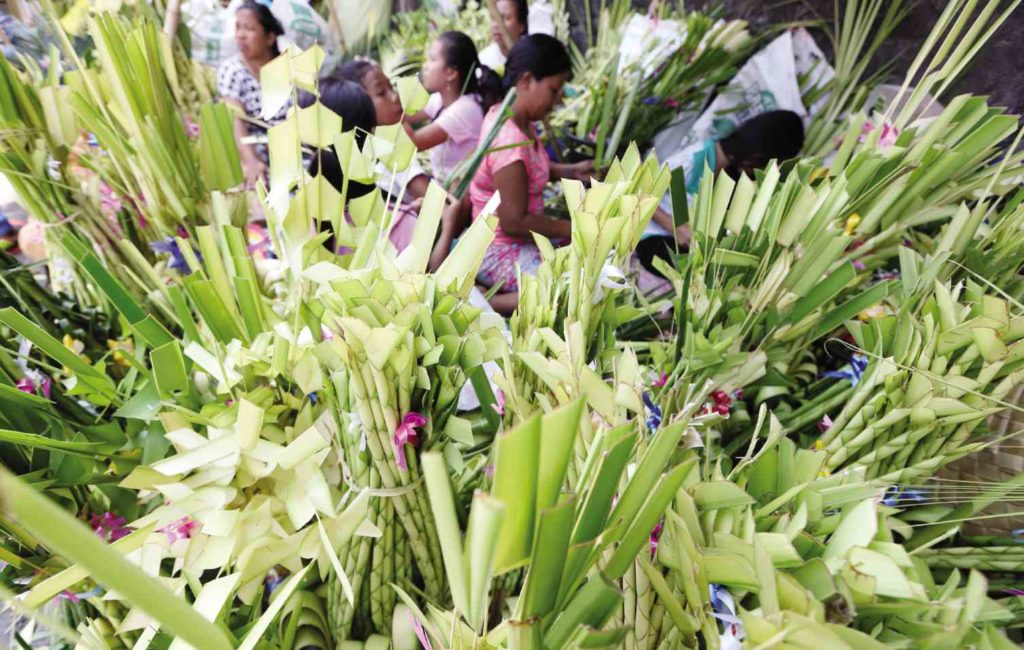
Palm Sunday, likewise called Passion Sunday, is the last Sunday of Lent and the beginning of the Holy Week. It is the day when the loyal recall and commend the victorious appearance of Jesus Christ into Jerusalem as Savior and King. In the Philippines, Filipinos visit the church to attend the Palm Sunday Mass and furthermore have their woven palm fronds or palapas blessed by the cleric. Waving palm leaves upon the cleric's entrance to the congregation is a standard practice and a reenactment of Jesus' passageway to Jerusalem.
Participating in “Pabasa ng Pasyon”
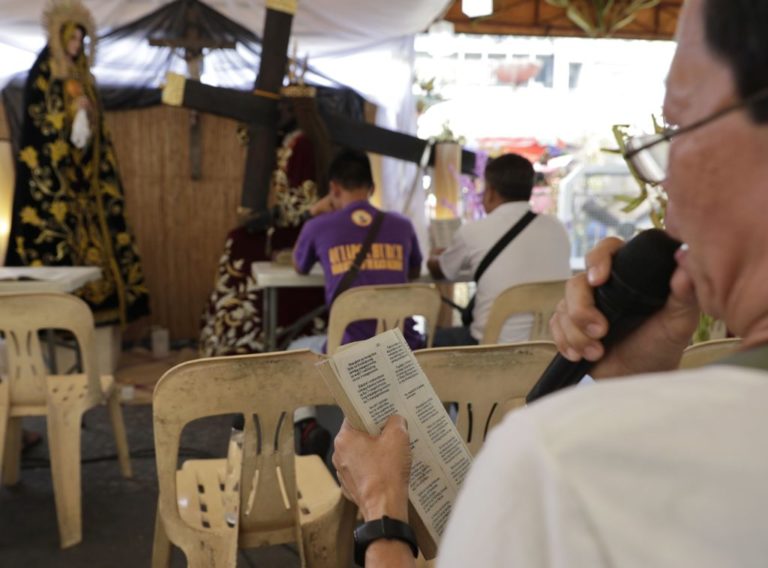
While many of us lean toward going to the beach, some actually decide to partake in this old custom of "Pabasa ng Pasyon (Reading of the Passion)." During Holy Week in the Philippines, passionate Catholics practice the "pabasa" by continually reciting the "Pasyong Mahal," a sixteenth century epic sonnet portraying the life, energy, demise, and restoration of Jesus.
Fasting and abstinence
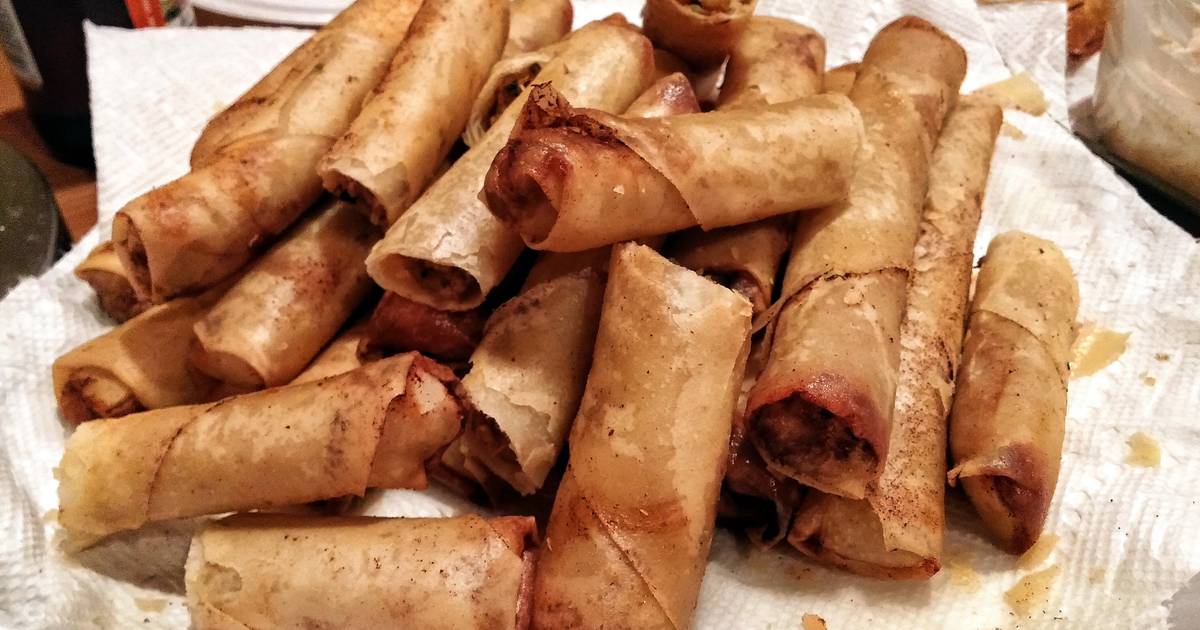
Fasting is done to comprehend the misery and the penances Jesus accomplished for humankind. As an indication of humility, on Ash Wednesday and each Friday all through the Lenten Season, Catholics are needed to halt eating meat and, if conceivable, decrease supper time to once every day. Little youngsters and the debilitated are excluded of this training, however.
Visiting seven churches during ‘Visita Iglesia’
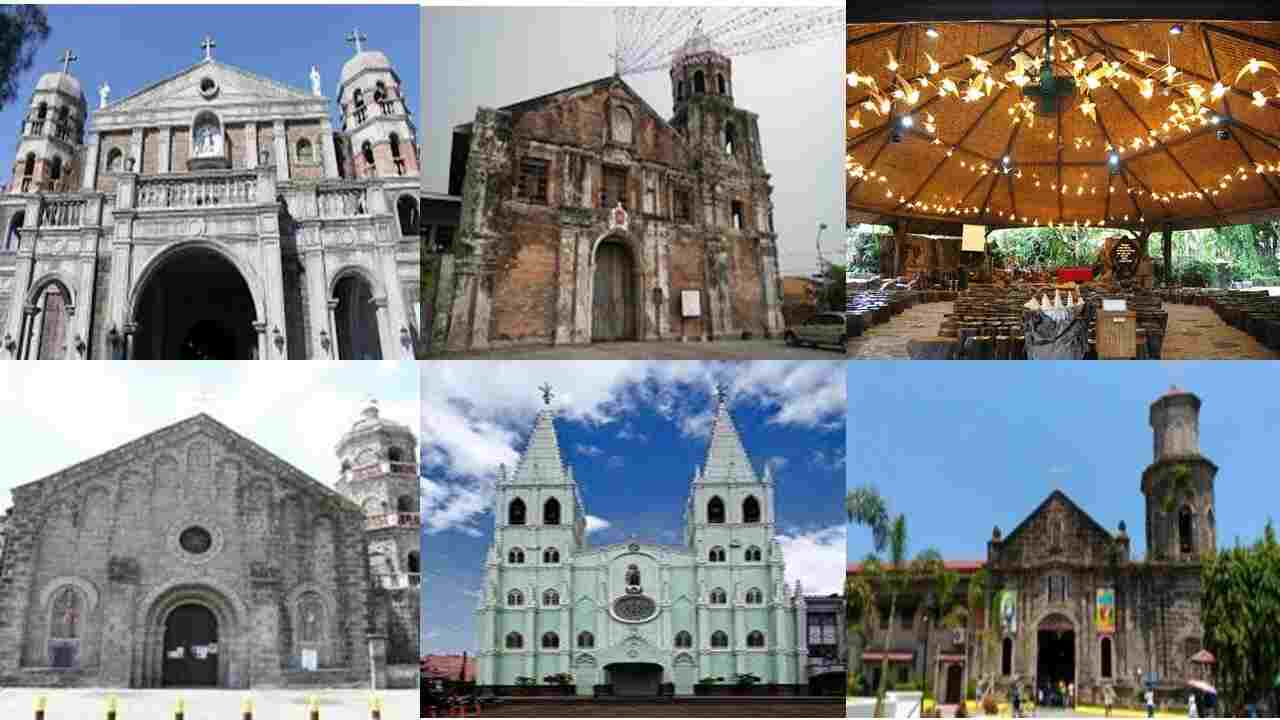
The Seven Churches Visitation or ordinarily known as "Visita Iglesia" is a Lenten custom that traces all the way back to the 1500s. Viewed as perhaps the most widely recognized practices when recalling Christ's passion, Filipino Catholics visit seven chapels on Maundy Thursday and Good Friday.
Staging of Senakulo
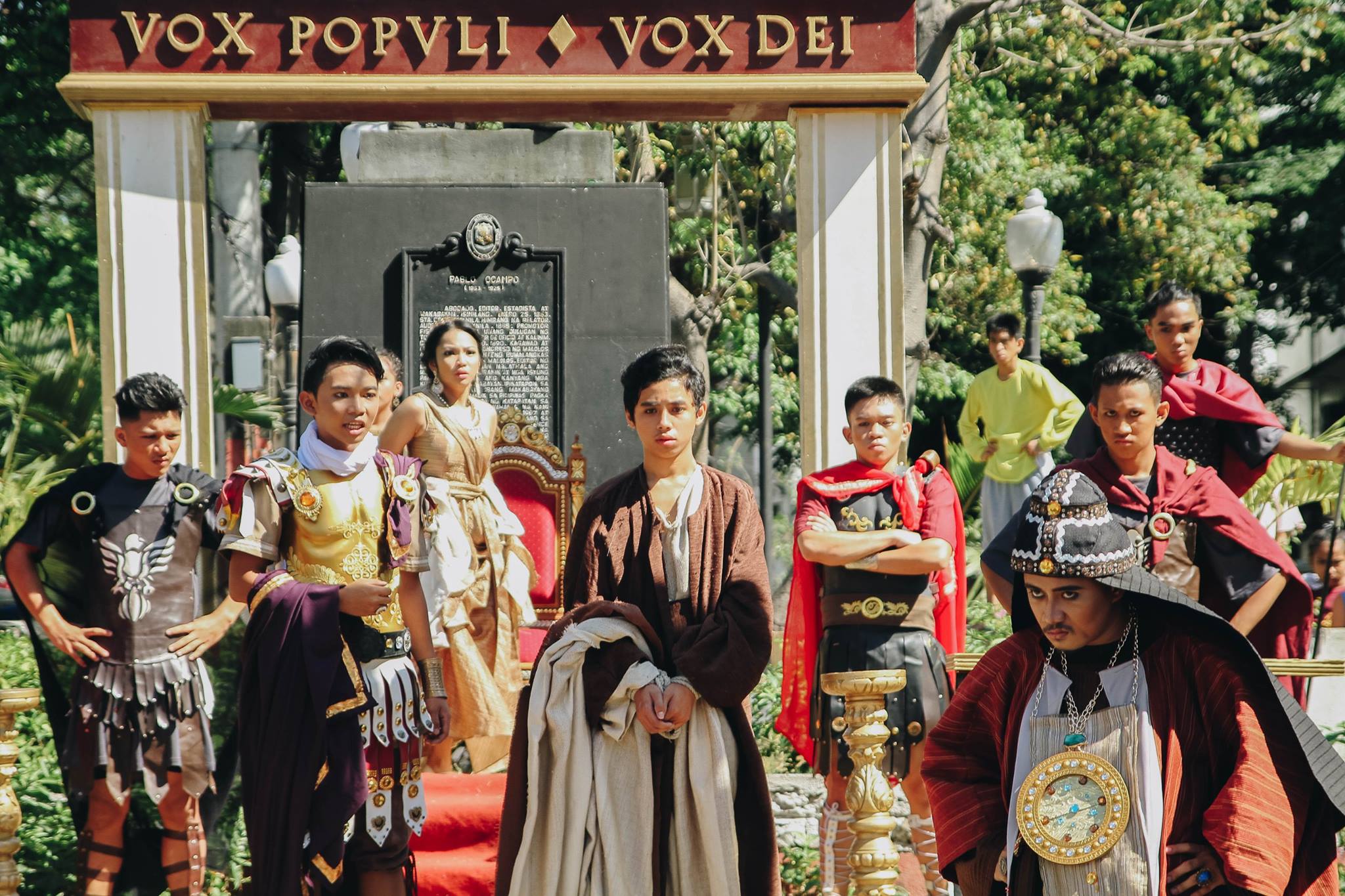
Senakulo was gotten from the Spanish word cenáculo which implies the "place where Jesus Christ commended the Last Supper with his supporters." And in the Philippines, it's as of now some portion of the Lenten practice to arrange a Senakulo, a play portraying the life and energy of Jesus Christ.
Wherever you are in the world, take the holy week as an opportunity to contemplate, meditate, and make this week more meaningful.
Related Reads
What's New
More Articles


