
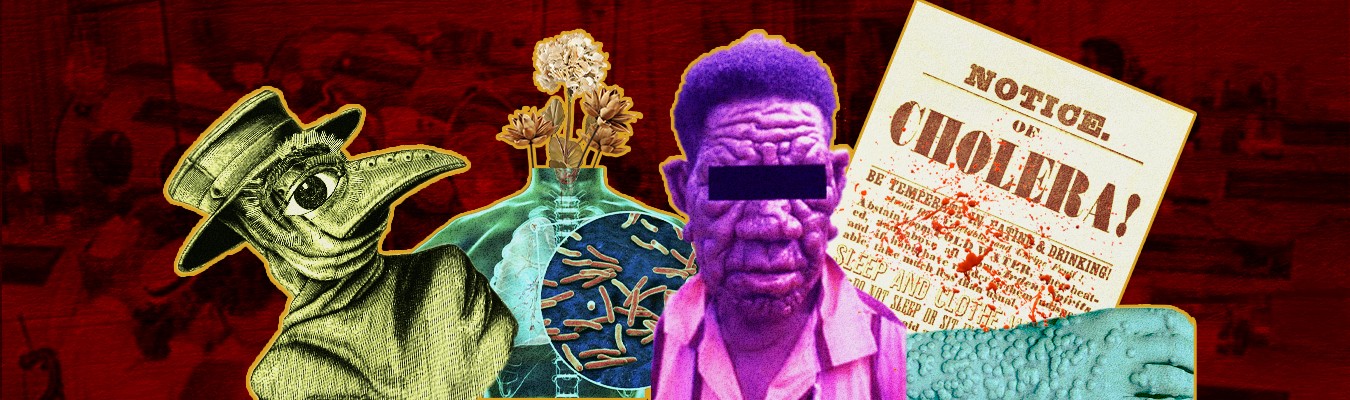
Scientists and medical experts have spent most of the time of their lives studying about epidemic diseases. They are anticipating sudden outbreaks that may ravage human existence on the planet at any moment.
In our history, humans have been faced some of the worst outbreaks in the past that no one could ever imagine before; claiming precious lives and drag the world to nothingness.
In modern times, the ghost of the past is still haunting us through COVID-19. As the experts dubbed it as a new enemy, we are still on the run of knowing its full capacity and on the race for developing a cure to eradicate the virus.
This pandemic outbreak has truly changed the normal life as we know it. The world stopped for a moment and we’re all unsure when it will go back but as we take a look back on how the world dealt with the past outbreaks in history and how our great scientists were able to contain it, maybe we could learn from it and evaluate what went wrong and what should have been done right.
Here are some of the worst outbreak in human history and how it was able to contain:
LEPROSY
As defined by the World Health Organization (WHO) Leprosy is an infectious disease caused by Mycobacterium leprae, an acid-fast, rod-shaped bacillus. The disease mainly affects the skin, the peripheral nerves, mucosa of the upper respiratory tract, and the eyes. Leprosy is curable and treatment in the early stages can prevent disability.

via MSD MANUALS
At around 1550 B.C., it is that the earliest possible account of Leprosy disease has appeared in an Egyptian Papyrus written document. Many suffered from stigma then, so different centers for isolation have established which contributed to lower the number of cases.
In1873, the first person who has discovered the germ that causes leprosy under a microscope was Dr. Gerhard Henrik Armauer Hansen of Norway.
The discovery of Mycobacterium leprae (a germ that causes leprosy) halt the misconceptions about the disease being a hereditary, curse and sin.
In 2020, the World Health Organization aims for a world free of leprosy.

Photo courtesy: U.S. NATIONAL ARCHIVES AND RECORDS ADMINISTRATION / WIKIMEDIA COMMONS
BUBONIC PAGUE
Known as the ‘Black Death,’ it was a devastating global epidemic of bubonic plague that struck Europe and Asia in the mid-1300s claiming one-third of Europe’s entire population.
The plague arrived in Europe in October 1347, when 12 ships from the Black Sea docked at the Sicilian port of Messina.

Photo courtesy: Getty Images
The French biologist Alexandre Yersin discovered the germ that has caused the plague called Yersina pestis at the end of the 19th century which travels from person to another through the air, as well as through the bite of infected fleas and rats.
The isolation was made then to help lessen the numbers of infected--the sailors were initially held on their ships for 30 days (a trentino), a period that was later increased to 40 days, or a quarantine—the origin of the term “quarantine” and practice still used today.
In today’s present time, the plague still exists but it's curable as per World Health Organisation.
SPANISH FLU
One of the deadliest outbreaks in history which claimed an estimated 500 million people worldwide—about one-third of the planet’s population—and killed an estimated 20 million to 50 million victims, is the Spanish flu.
It was first observed in Europe, the United States and parts of Asia before swiftly spreading around the world.
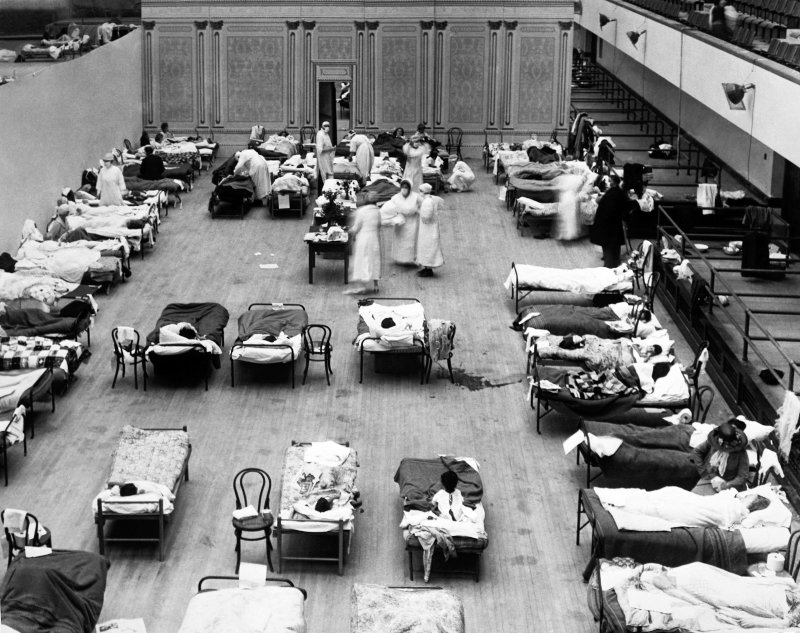
The Oakland Municipal Auditorium being used as a temporary hospital during
the influenza pandemic of 1918, in Oakland, California.
Photo courtesy: Underwood Archives—Getty Images
There were no effective drugs or vaccines to treat this killer flu strain then so citizens were ordered to wear masks.
The Spanish Flu did not originate in Spain but being the country then with a free media that only covered the outbreak from the start, (first reporting on it in Madrid in late May of 1918) so many automatically believed that it started in Spain.
Almost 90 years later, in 2008, researchers announced they’d discovered what made the 1918 flu so deadly: A group of three genes enabled the virus to weaken a victim’s bronchial tubes and lungs and clear the way for bacterial pneumonia.
The plague has stopped when the government strictly implemented some measures including wearing masks and banning public gatherings as what we are currently practice in today’s COVID 19 pandemic.
SMALLPOX
Claiming 56 million lives in the 16th century, smallpox is considered one of the deadliest diseases in history.
One of the first methods for controlling the spread of smallpox was the use of variolation is the process by which material from smallpox sores (pustules) was given to people who had never had smallpox.

It was named after the virus that causes smallpox (variola virus).
In 1796, English doctor Edward Jenner performed an experiment that caused the virus’ downfall by inserting pus from a milkmaid with cowpox, a disease closely related to smallpox, into the arms of a healthy 8-year-old boy and then variolating him to no effect, Jenner was able to conclude that a person could be protected from smallpox without having to be directly exposed to it.
On May 8, 1980, the World Health Organization announced the global eradication of the disease.
CHOLERA
Cholera is one of the lethal diseases in the 19th century which occurred in India. It is an ongoing problem as of today due to proper sanitation and proper hygiene.
It is an infectious disease caused by a bacterium called Vibrio cholera which typically lives in waters that are somewhat salty and warm.

In history, there are seven waves of the cholera outbreak and the most recent one was started in 1961 and ongoing as of today in parts of the world.
There are approved vaccines to treat cholera but due to numerous circumstances, many are still infected.
POLIO
Polio was one of the most feared diseases ever paralyzing hundreds of thousands of children every year.
In September 2019, the reappearance of polio has been announced in the Philippines after almost two decades of declaring free from it.

Photo courtesy: Premium Nigeria Times
The first effective vaccine was discovered by Jonas Salk on March 26, 1953, it was announced on a national radio show that he has successfully tested a vaccine against poliomyelitis.
The World Health Organization has successfully worked on the eradication of polio in 1988 until such cases have risen in some parts of the world.
SARS
In November 2002, a case of SARS or severe acute respiratory syndrome has begun as the doctors in the Guangdong province discovered.
It was eventually spread to 26 countries and contained in July 2003 with more than 8,000 reported cases worldwide with a total of 774 deaths recorded.
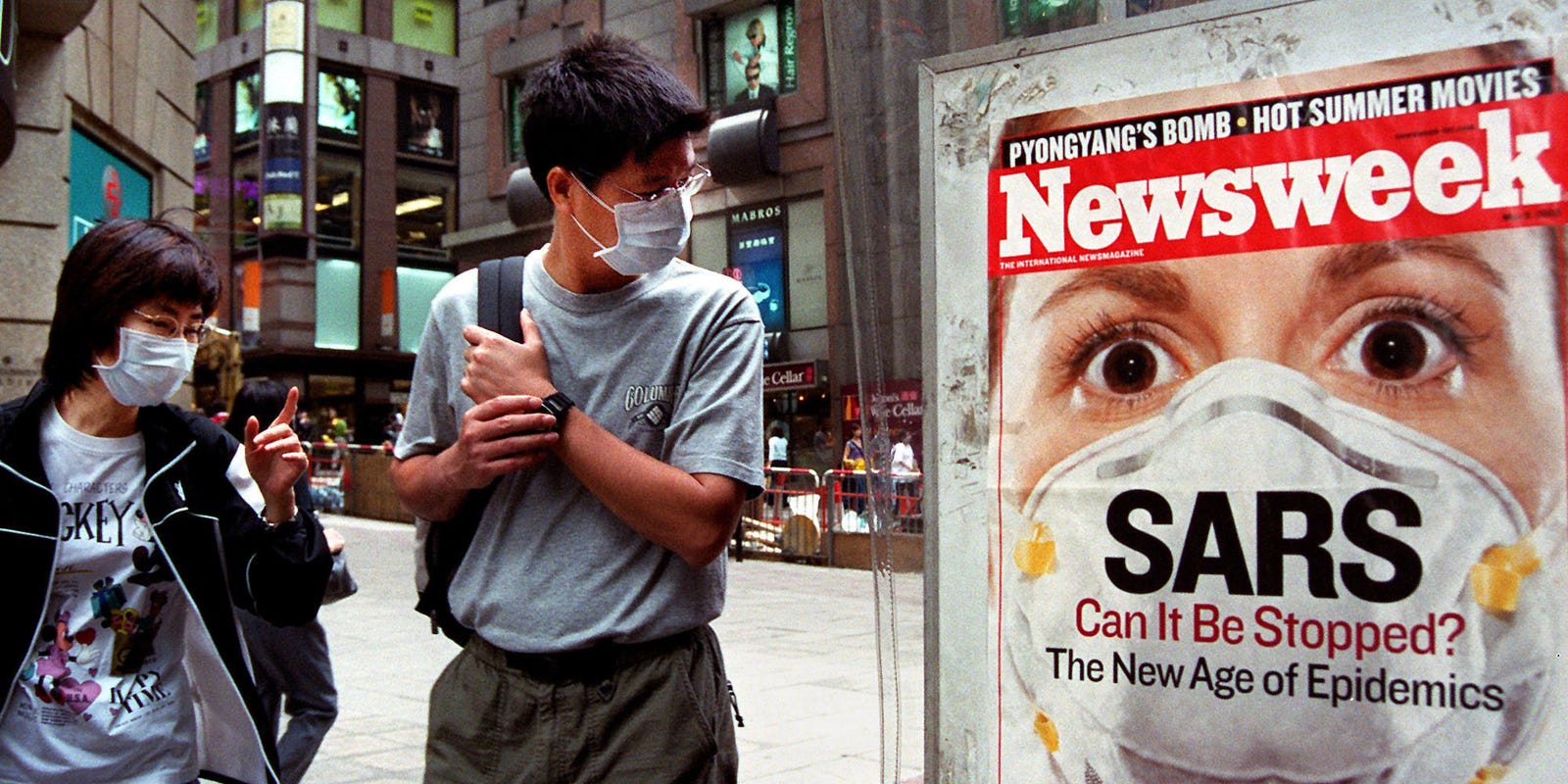
Dubbed as the newest virus of the 20th century, its transmission was stopped by quarantine measures and international cooperation.
Doctors and scientists were able to completely eliminate SARS by isolating and quarantining people until the virus passed out of their system and they could no longer transmit it to others.
SWINE FLU
In 1976, an H1N1 virus jumps from pigs to humans and kills a US army recruit. However, the virus does not spread beyond the army base and fizzles out without triggering a pandemic.

Photo courtesy: Getty Images
In March 2009, the first cases of a new type of swine flu are reported in California and Texas it’s a different strain of the H1N1 influenza virus.
The new strain has appeared on April 27, 2009, in Mexico and spread to 74 countries. 16,000 live has been claimed by the virus for just a span of a year.
EBOLA VIRUS DISEASE
Ebola virus disease (EVD) is a severe disease occurs in humans and other primates.
The disease was named after the Ebola river in the Democratic Republic of the Congo (DRC) where the first outbreak happened in 1976 in a village nearby in the said river.
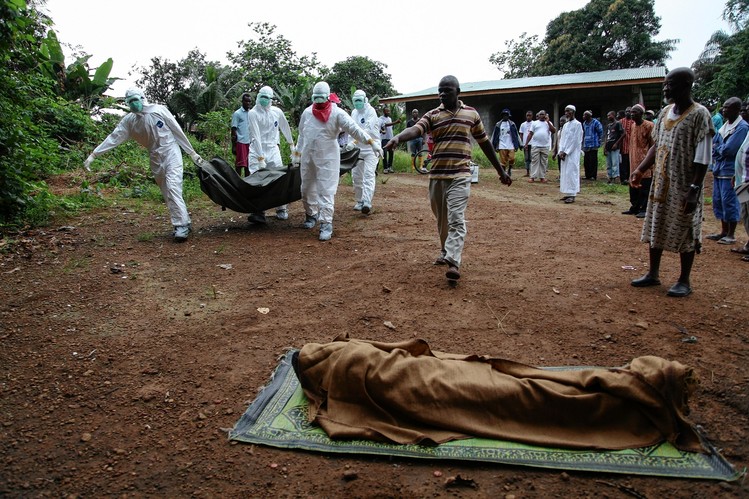
The largest outbreak to date took place in West Africa between March 2014 and June 2016, affecting primarily Guinea, Liberia and Sierra Leone. Over 28,000 cases were recorded.
An experimental Ebola vaccine called rSVS-ZEBOV, was used in a major trial in Guinea in 2015 involving 11 841 people.
In 2018, another outbreak has occurred in Congo and WHO still recommended the use of the said experimental vaccine.
Having been dealt with some of the worst outbreaks in human history courageously while embracing the uncertainty is a manifestation of how tough we are ‘cause we got no choice but to face it.
May the learnings from the past outbreaks would not be lightly taken as we currently facing another health crisis today.
Related Reads
What's New
More Articles


