
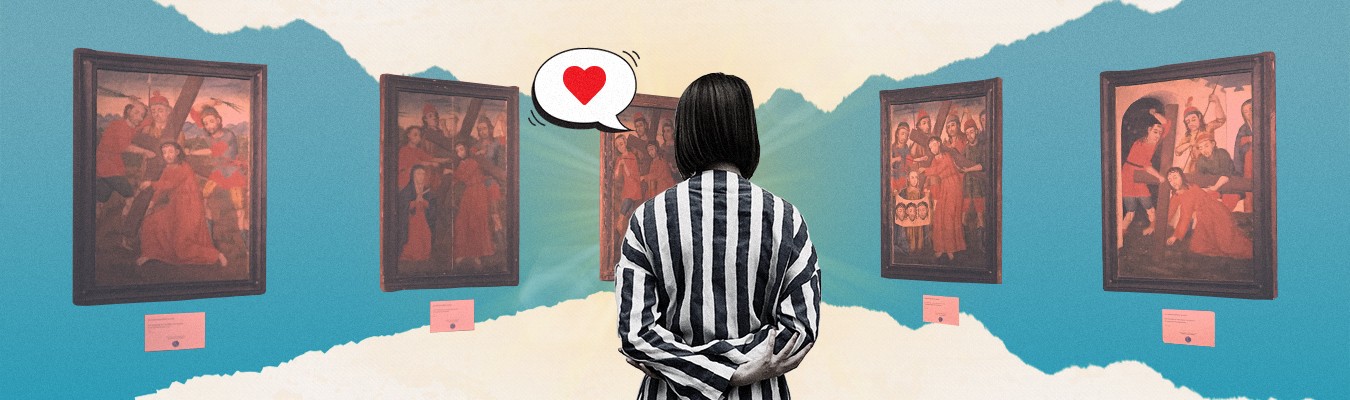
October is the Museums and Galleries Month in accordance to the Proclamation No. 798 signed by the late Philippine President Corazon Aquino, on Sept. 12, 1991.
The proclamation highlights the need to awaken national consciousness and pride for the country’s rich culture and national identity, “expressed in all media of art and culture, historical and religious artifacts”. The National Museum is the lead agency in the country, in charge of the official commemoration of this annual event.
And to better celebrate the Museums and Galleries Month, here is a list of museums in Metro Manila that you should visit when things get back to normal:
1. National Museum of the Philippines
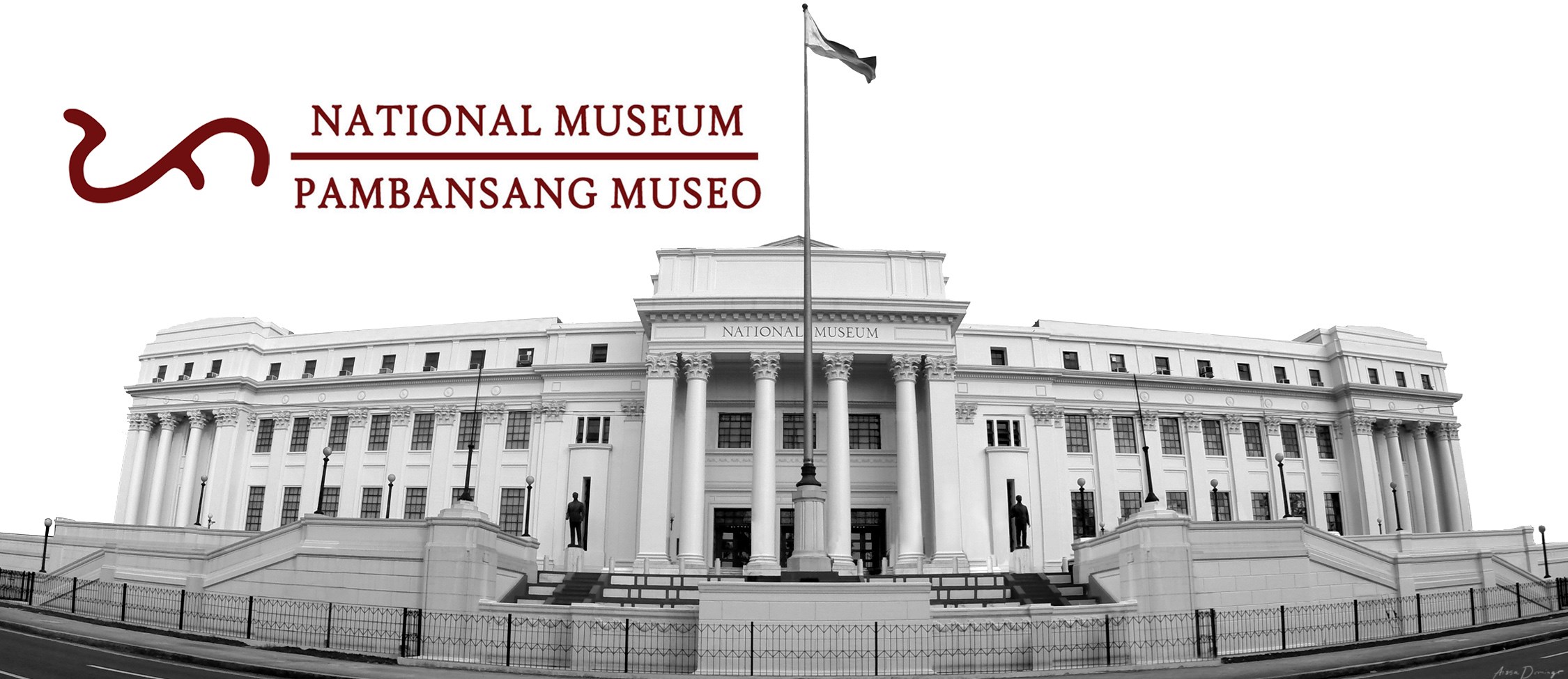
Aside from its infamous Spoliarium, painted by Juan Luna, the National Museum is actually a compound historical place that offers more than just paintings. There’s the National Museum of Fine Arts, which houses art from the 18th century to present time—some of the artists featured in their collections are Juan Luna, Vincente Manansala, Fernando Amorsolo, and Ang Kiokok. Archaeology and Ethnology enthusiasts should visit the National Museum of Anthropology, where you can find artifacts from pre-colonial times exhibited. While the National Museum of Natural History isn’t just famous because of its astonishing architecture—it also houses the largest national plant collection in the Philippines and a vast collection of animal specimens from around the country. Also, do not forget to drop by the National Planetarium—a museum of filled with planetarium projector. The National Museum of Fine Arts, National Museum of Anthropology, National Museum of Natural History and National Planetarium are located not far from each other, so you can roam around these museums in just a day. The National Museum’s entrance fees are FREE. They are open Tuesdays to Sundays, 10AM-5PM. Although they are still closed due to pandemic and has not announced when they will be opened.
2. NCCA Museum
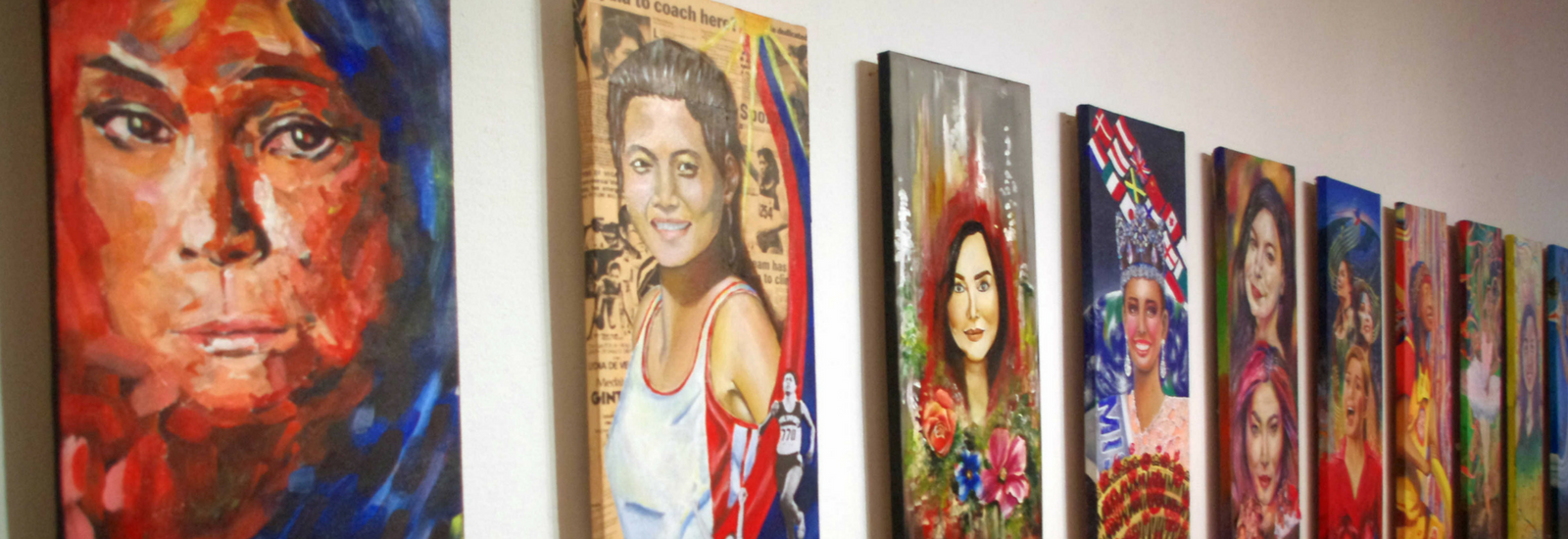
Located at 633 General Luna St, Intramuros, Manila, The NCCA or National Commission for Culture and the Arts is a government agency that governs the preservation, development and promotion of Philippine arts and culture. Their office in Intramuros has a small museum you can visit free of charge. Inside you can see stunning national costumes, contemporary paintings, and artworks from all over the world.
3. Museo De Intramuros
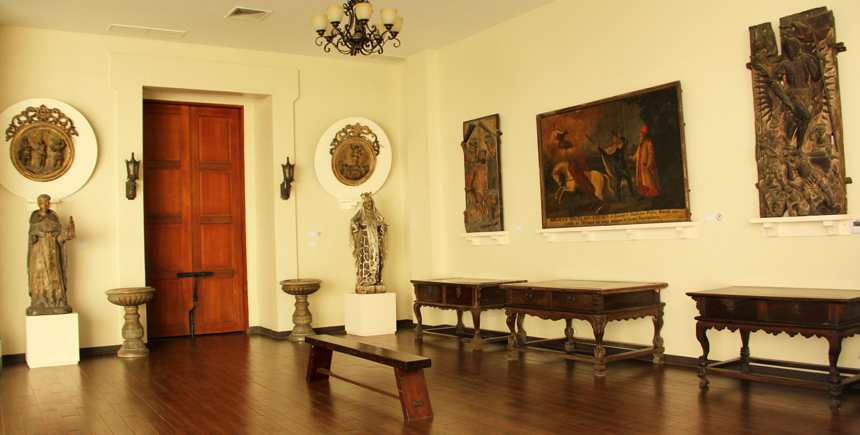
Located at Corner Arzobispo, Anda St, Intramuros, Manila, Museo de Intramuros is a newly-built three-storey fully air-conditioned museum in Intramuros that opened its doors to the public for free since May 2, 2019. The museum showcases a wide variety of artefacts. It has IG-worthy walls and corners you can take photos of and post on social media. Just take note that taking videos, using of flash, and touching the artefacts are strictly prohibited.
4. First United Building Community Museum
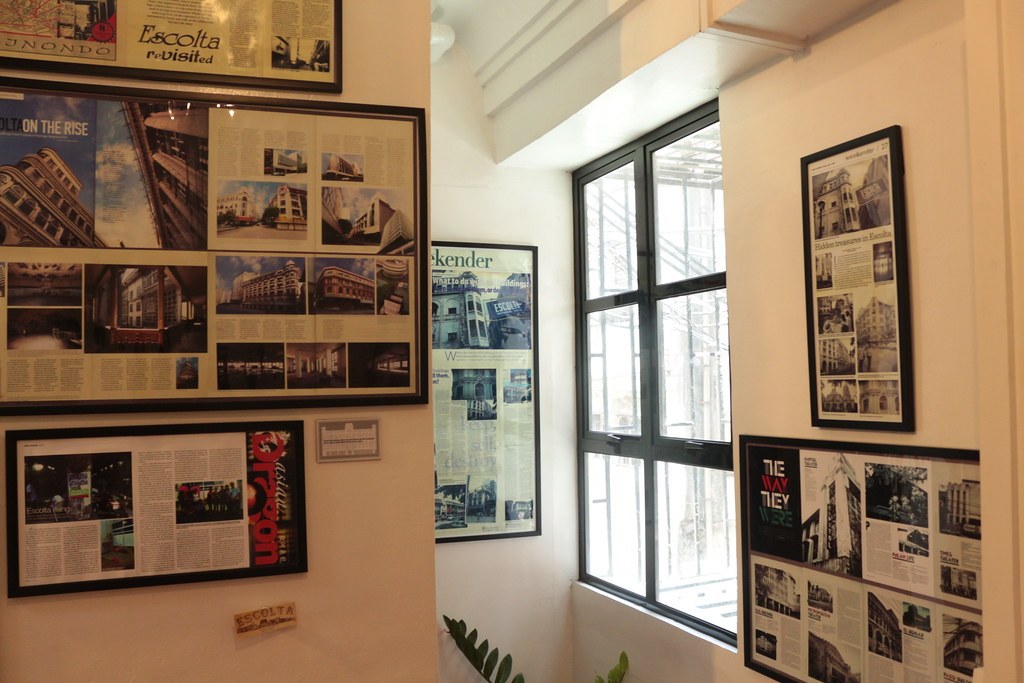
Located in Escolta Manila, the First United Building Community Museum features the life of the late Sy Lian Teng, who flew to the country from China in 1918, and brought his immediate family with him in 1939, including his brothers, father, and stepmother. In the thick of the Battle of Manila in 1945, he lost his wife and children. Aside from his personal belongings and family portraits, there are also traces of the old Escolta through photos and magazine clips, and other vintage stuff like telephones, clock card machine, and typewriter.
5. Casa Manila
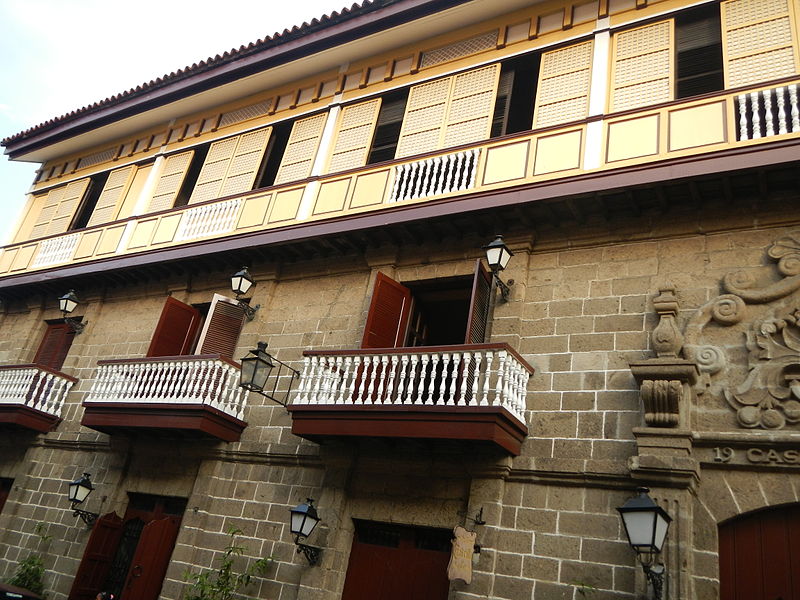
Also located inside Intramuros and just a couple of walks from the San Agustin church, Casa Manila is a replica of Spanish colonial mansion of late 19th century Manila. It is filled with period furniture and furnishings of Philippine, Chinese and European origins. Casa Manila recreates the rich merchants' way of living in Manila during the nineteenth century.
6. Museum of a History of Ideas
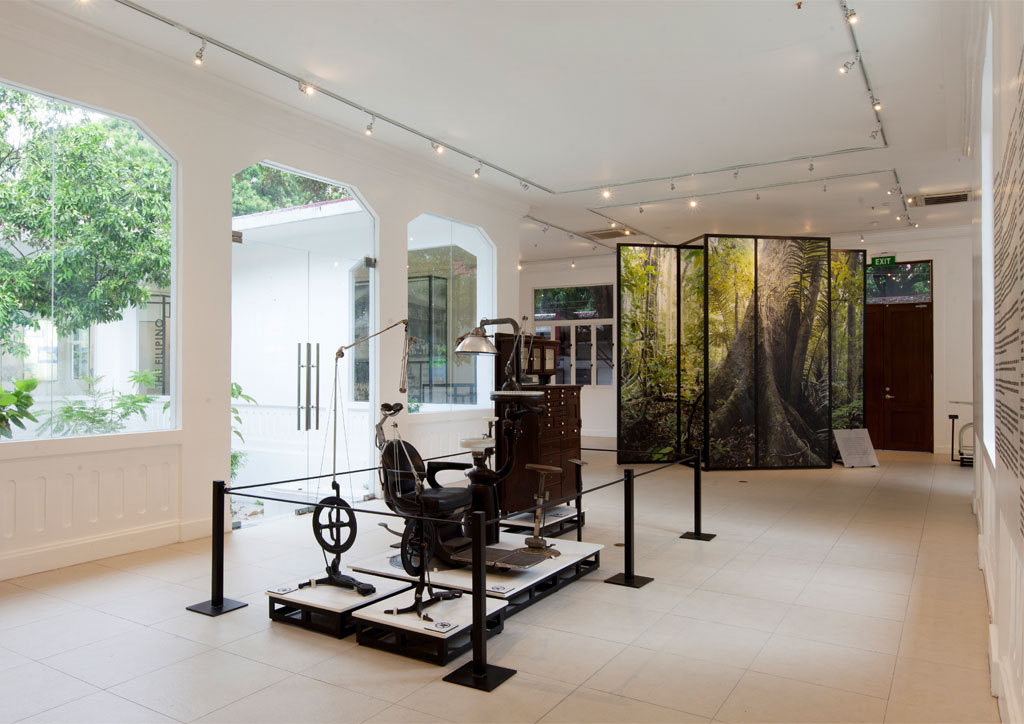
Located at UP Manila in Padre Faura, Museum of a History of Ideas is a proud work of Iskos and Iskas. The museum archives the way that the University of the Philippines helped in the Philippines’ nation-building since its establishment during the American occupation. Divided into six themes/ideas the museum unveils the country’s history and UP’s involvement in archival documents, photographs, video walls, etc.
7. Metropolitan Museum of Manila

Located in BSP Complex, Roxas Blvd, Malate, Manila, Metropolitan Museum of Manila is a must-visit for art enthusiasts. Tagged as Manila’s “The Met”, the Metropolitan Museum of Manila showcases the evolution of Filipino art, from early, pre-colonial times, to today. Aside from their permanent collection that includes Bangko Sentral ng Pilipinas’ pre-colonial gold collection and religious art collection, The Met also regularly hosts exhibits by local and international artists and guided tours.
8. Museo ng Bangko Sentral ng Pilipinas
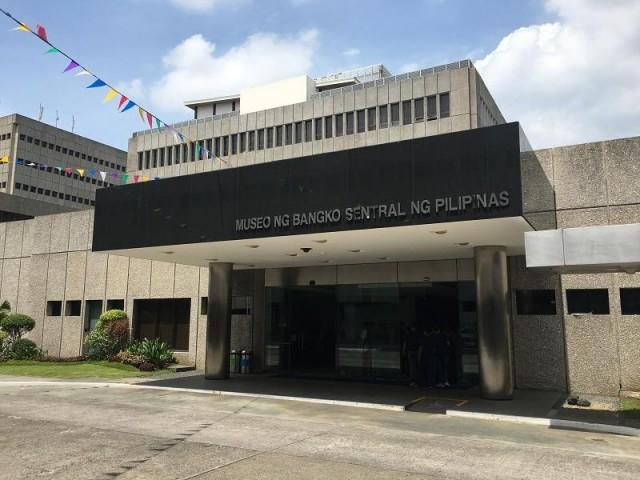
Located in Bangko Sentral ng Pilipinas Complex, A. Mabini St, Malate, Maynila, Museo ng Bangko Sentral ng Pilipinas or The Money Museum showcases comprehensive and impressive collection of currency, coins, tokens, and paper money. You can also learn about the rich history of our currency. At the museum, you can also view all the evolutions of our coins and bills.
9. Chinatown Museum
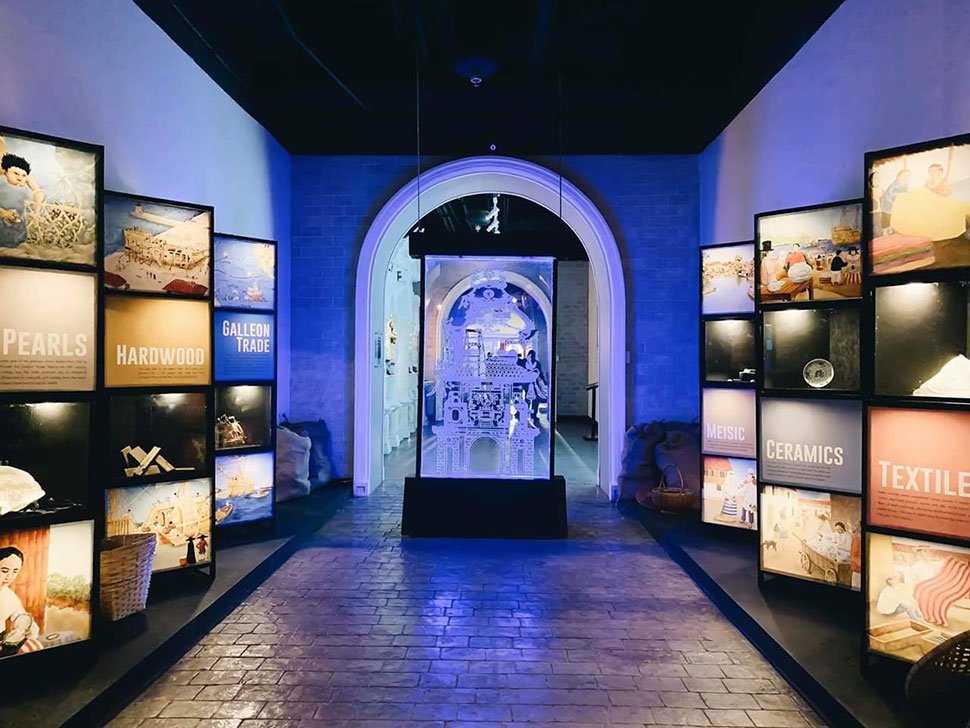
Located at Lucky Chinatown Annex in Binondo Manila, the Chinatown Museum—which just opened on June 8, 2019, is dedicated to unfold the story of Binondo. Inside, you can find replicas of Binondo’s landmarks like Binondo Church, traditional shop houses, and more. The museum also hosts different exhibits regularly so you can come back any day.
10. Pinto Art Museum
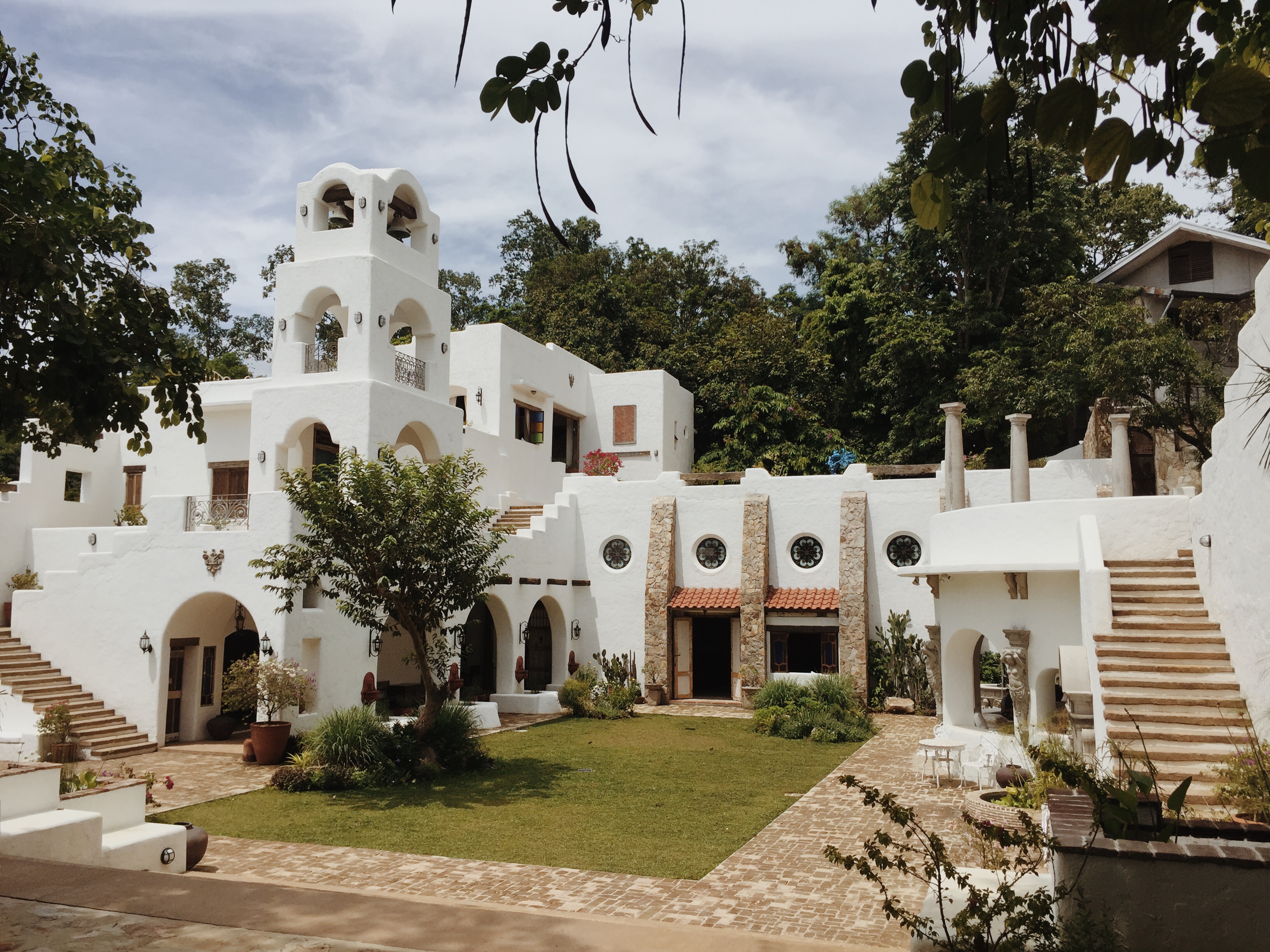
If you want to go a little bit beyond the Metro, you can also visit Pinto Art Museum, which is located at Sierra Madre St, Grand Heights Subdivision, Antipolo Rizal. Pinto Art Museum features several galleries that are separated by different doorways—hence, it was called Pinto Art Museum. You can find massive canvases, a pocket garden furnished with outdoor chairs and a sofa. The vast compound was founded by Filipino neurologist and also an art enthusiast Dr. Joven Cuanang.
Having a lot of museums proves that Philippines is indeed a country rich with history and culture—we just hope that the government prioritize them as well to arouse the national consciousness of the Filipinos and embrace our own culture.
Related Reads
What's New
More Articles


